
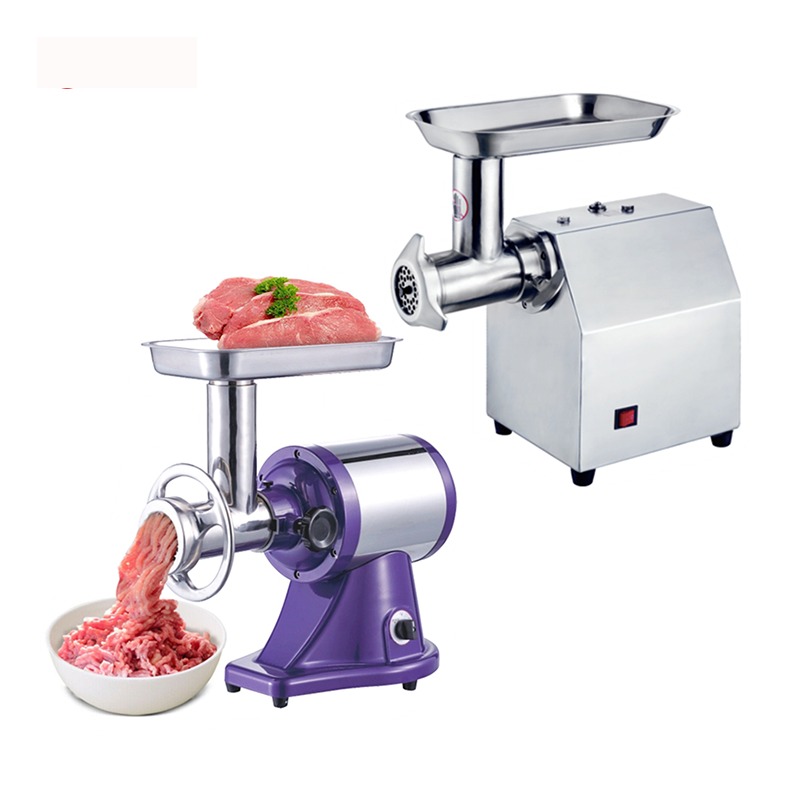
A meat blender machine, also known as a meat mixer or meat blending machine, is a piece of industrial equipment used in food processing, particularly in meat processing plants or butcher shops. Its primary purpose is to efficiently mix and blend various ingredients with meat to create a uniform and consistent mixture for various meat products, such as sausages, meatballs, burger patties, and more. Here’s a description of a typical meat blender machine:
1. Construction and Material:
- Meat blender machines are usually constructed with durable materials like stainless steel. This material choice is essential for hygiene, easy cleaning, and resistance to corrosion, as it comes into contact with raw meat.
2. Mixing Chamber:
- The heart of the machine is the mixing chamber, where the meat and other ingredients are combined. It typically features a rotating, paddle-like agitator or mixing mechanism.
3. Capacity:
- Meat blender machines come in various sizes, from small, tabletop models suitable for small-scale operations to large industrial machines capable of handling significant volumes of meat and ingredients.
4. Control Panel:
- Many modern meat blenders come equipped with a control panel that allows operators to adjust mixing speed, time, and other parameters to achieve the desired blending consistency.
5. Safety Features:
- Safety features such as emergency stop buttons, safety interlocks, and protective guards are often included to ensure the safety of operators.
6. Mixing Process:
- The machine’s mixing mechanism rotates the ingredients, ensuring they are evenly distributed throughout the meat. This process helps improve the texture and flavor of the final meat product.
7. Versatility:
- Meat blender machines are versatile and can be used for mixing not only meat but also other ingredients like spices, seasonings, herbs, and even liquid ingredients.
8. Hygiene and Sanitation:
- Hygiene is of utmost importance in meat processing. Meat blender machines are designed for easy disassembly and cleaning to prevent cross-contamination and maintain sanitary conditions.
9. Batch or Continuous Operation:
- Some machines operate in batch mode, where a specific quantity of ingredients is loaded, mixed, and then unloaded. Others may have a continuous mixing feature for high-volume production.
10. Output Consistency: – The primary goal of a meat blender machine is to ensure consistent output. This consistency is critical for maintaining product quality and meeting regulatory standards.
11. Compliance with Food Safety Regulations: – Meat blender machines must comply with food safety regulations and industry standards to ensure the safety and quality of meat products.
In summary, a meat blender machine is an essential piece of equipment in meat processing facilities. It plays a crucial role in achieving uniformity and consistency in meat products while adhering to strict hygiene and safety standards. These machines are available in various sizes and configurations to suit the specific needs of different food processing operations.

A manual meat blender, often referred to as a meat mixer or hand-crank meat mixer, is a kitchen tool used for blending and mixing ground meat with other ingredients. It’s a simple and manually operated device that doesn’t require electricity. Manual meat blenders are commonly used in home kitchens and small-scale meat processing operations. Here’s a description of a typical manual meat blender:
1. Construction:
- A manual meat blender typically consists of a container or hopper, a mixing paddle or agitator, and a hand-crank mechanism.
2. Container or Hopper:
- The container or hopper is where you place the ingredients, including ground meat and any other seasonings or additives you want to mix. It may have a lid to prevent ingredients from spilling out during mixing.
3. Mixing Paddle or Agitator:
- Inside the container, there is a mixing paddle or agitator. This component is designed to thoroughly blend and mix the meat and other ingredients as you turn the crank.
4. Hand-Crank Mechanism:
- The hand-crank mechanism is attached to the mixing paddle. As you turn the crank, it rotates the paddle inside the container, facilitating the blending process.
5. Capacity:
- Manual meat blenders come in various sizes to accommodate different quantities of meat and ingredients. Common sizes range from small, home-use models to larger ones suitable for small-scale commercial use.
6. Mixing Process:
- To use a manual meat blender, you load the ingredients into the container, close the lid if available, and then turn the hand-crank. The turning motion of the crank rotates the mixing paddle, effectively blending and mixing the ingredients.
7. Versatility:
- Manual meat blenders can be used not only for mixing ground meat but also for blending in spices, seasonings, herbs, or other ingredients to create sausages, meatloaf, meatballs, and other meat-based dishes.
8. Easy to Clean:
- Most manual meat blenders are easy to disassemble and clean. This is essential for maintaining hygiene and preventing cross-contamination.
9. Portability:
- Manual meat blenders are portable and do not require electricity, making them suitable for outdoor use or places with limited access to power sources.
10. Home and Small-Scale Use: – These blenders are commonly used by home cooks, hunters, and small-scale meat processors who prefer a manual and hands-on approach to meat preparation.
11. Affordable: – Manual meat blenders are often more affordable than electric counterparts and are a cost-effective solution for those with limited processing needs.
In summary, a manual meat blender is a hand-operated kitchen tool designed to blend and mix ground meat and other ingredients for various meat-based dishes. It offers simplicity, portability, and affordability, making it a suitable choice for home kitchens and small-scale meat processing operations.


Reviews
There are no reviews yet.