
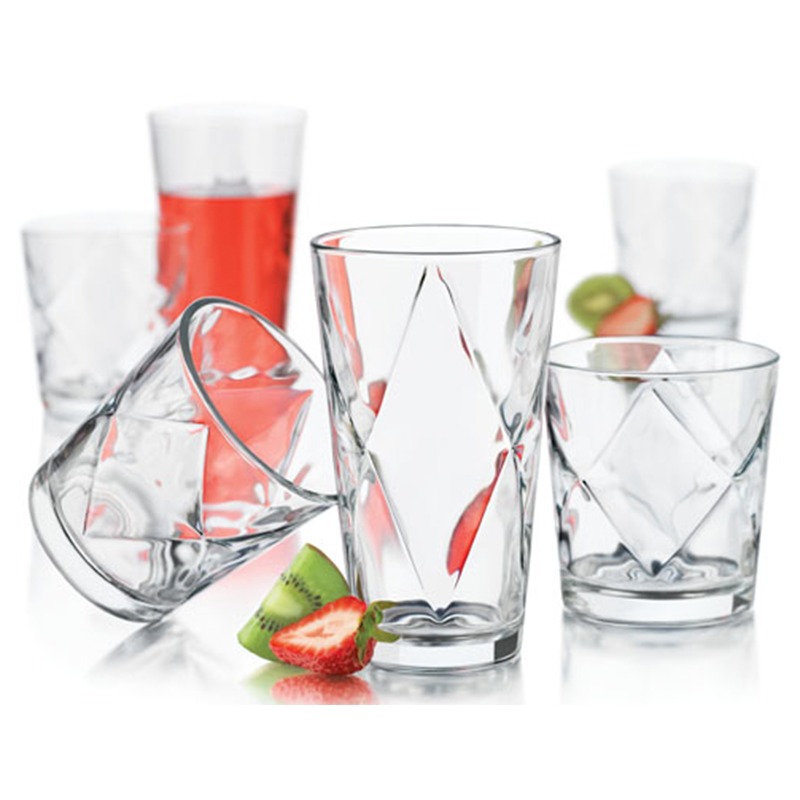
A “juice machine” is a broad term that can refer to various types of appliances used for juicing fruits and vegetables to extract fresh juice. These machines come in different forms, including manual juicers, electric citrus juicers, centrifugal juicers, masticating juicers, and more. Below, you’ll find a description of a typical juice machine and its key features:
1. Types of Juice Machines:
- There are several types of juice machines available, each with its own method of extracting juice:
- Manual Juicers: These require physical effort to squeeze or press fruits or vegetables to extract juice.
- Electric Citrus Juicers: Designed specifically for citrus fruits like oranges, lemons, and limes, they automate the juicing process.
- Centrifugal Juicers: These use high-speed spinning blades to chop and extract juice from a variety of fruits and vegetables.
- Masticating Juicers (Cold Press Juicers): They use a slower, grinding or chewing mechanism to extract juice, often preserving more nutrients and yielding less heat.
- Twin-Gear Juicers: These are similar to masticating juicers but use twin gears to crush produce and extract juice.
- Hydraulic Press Juicers: They use tremendous pressure to extract juice, often associated with cold-pressed juices.
2. Materials and Build:
- Juice machines are typically constructed from materials that are food-safe and easy to clean, such as stainless steel, plastic, or BPA-free materials.
3. Capacity:
- The capacity of a juice machine can vary significantly. Some are designed for personal use, while others can handle larger quantities for commercial or family use.
4. Power Source:
- Electric juice machines require a power source, while manual juicers rely on manual effort to operate.
5. Speed and Efficiency:
- The speed and efficiency of juice machines can vary. Centrifugal juicers are generally faster but may produce more heat and potentially oxidize the juice, affecting nutrient content. Masticating juicers are slower but are often preferred for nutrient preservation.
6. Juice Quality:
- The quality of juice produced by the machine can vary. Some machines are better at retaining nutrients, flavors, and colors in the juice, while others may produce a higher yield but with some loss of quality.
7. Easy Cleaning:
- Many juice machines have parts that are easy to disassemble and clean, which is important for maintaining hygiene and preventing residue buildup.
8. Versatility:
- Some juice machines can handle a wide range of fruits and vegetables, while others may be specialized for specific types of produce.
9. Noise Level:
- Electric juicers, especially centrifugal ones, can be noisy during operation. Some models are designed to be quieter.
10. Safety Features: – Some juice machines come with safety features such as overload protection and safety locking mechanisms.
11. Price Range: – Juice machines are available in various price ranges, from budget-friendly options to high-end models with advanced features.
In summary, a juice machine is a kitchen appliance designed to extract fresh juice from fruits and vegetables. The type of machine you choose depends on your specific juicing needs, preferences, and the types of produce you plan to juice. Different machines offer varying levels of convenience, speed, and juice quality, so it’s important to consider your requirements when selecting the right juice machine for your needs.
Reviews
There are no reviews yet.